|
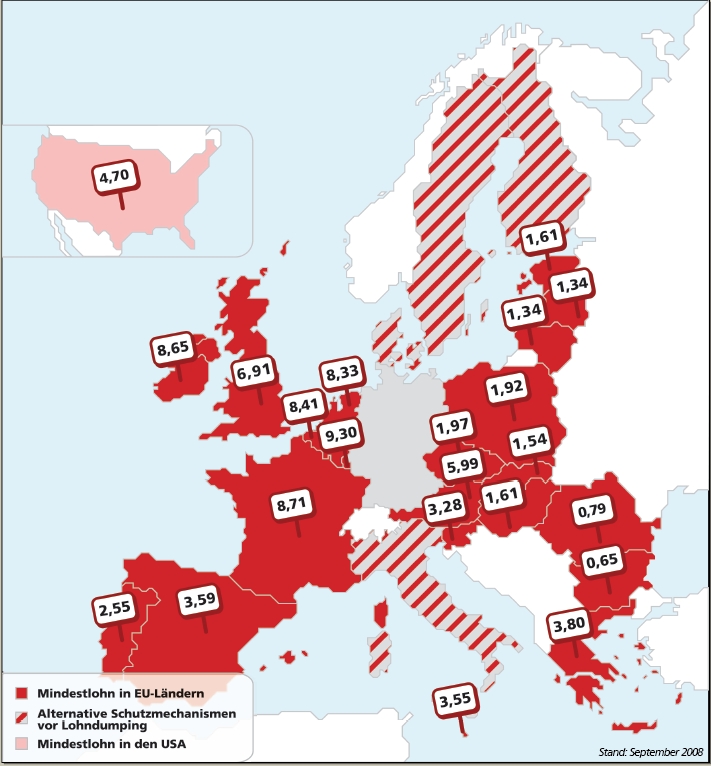
"A fair's day pay
for a fair day's work"
Leisure and Tourism are often seen as the
"McJob" branch: low-paying, low-prestige, low-dignity,
low-benefit, no-future job.
Part of this is because L+T are seen as synomynous with Hospitality,
the most visible part of L+T.
But it is a fact that L+T are on average offering more bady paid
jobs.
Example: UK 2005:
Average gross annual earnings in all industries: 22,903 Pound
Sterling
Average gross annual earnings in hotels and restaurants: 14,653
Pound Sterling
Average gross annual earnings in travel agencies: 21,753 Pound
Sterling
Employee objectives for the contract of payment
Purchasing power - 100 Euro in Germany are different from 100
Euro in India
Fairness - How big the gap between employees' and boss' pay can
be before being unfair?
Relativeness - Comparing to others
Recognition - Non-financial rewards
Composition - More money now or more for the pension fund
Employers objectives for the contract of payment
Prestige - reputation for treating employees well
Cost - Big part of cost in L+T are wages
Change Management - Bonuses
Overall: Attract and retain suitable employees, increase level
of performance, comply with employment legislation
|
What are the effects of low pay in the leisure
and tourism industry for the performance of the staff?
|
Earning more:
"Fiddles and knock-offs" - pilferage and purloining
Tips
- 16 billion US$ in USA (2003) for tips
- In USA 15% normal
- In Australia, Sweden, Finland, Japan etc. unusual
- In China: Tipping before is corruption, after is gratification
- In Germany - what do you think? Do you tip?
|
Why is tipping still common in the leisure and tourism
industry but not in most other industries?
|
Money is not the only motivation to work.
|
What non-monetary rewards can be offered in addition?
|
Customer as Employee:
Example: Volunteer Tourism
|