|
Sport and Educational Spheres of Experiences
Sport Spheres of Experiences
Today, sport is one of the most important Leisure activities in financial, temporal and spatial dimensions and in terms of social acceptance.
Financial: Growth of Mega Sport Events, Development of sport clubs into big companies
Temporal: One out of three Germans is actively engaged in sport, watching sport is one of the main activities worldwide
Spatial: Areas reserved for sport activities are growing (for instance golf clubs)
Social: Sport stars become celebrities, forms of sport become less class-orientated
|
High class
|
|
|
|
Low class
|
|
|
| |
Sport |
Entertainment
|
What reasons can you see for these developments in
a) active participation and
b) passive participation?
Motives for active sport:
Positive: Fun, Health, Fitness
Negative: Anti-Stress, Fighting lack of exercise, Counterbalancing work
Psychological: Feel good, spend time, Success, Self-Confidence
Physiological: Body condition, body shape, body experience
Social: Being with others, group experience, meeting new friends
Motives for watching sport on the spot:
Entertainment
Group experience
Direct experience
Men: Sport more imporant than entertainment -
Women: Entertainment more important than Sport
Trends:
Commerzialisation
Staging (for TV)
Service orientation
Import of athletes
- Experience Economy
Example: Ebikes:
Schwarzwald: e-bikekarte-2011.pdf PME-Biking.doc
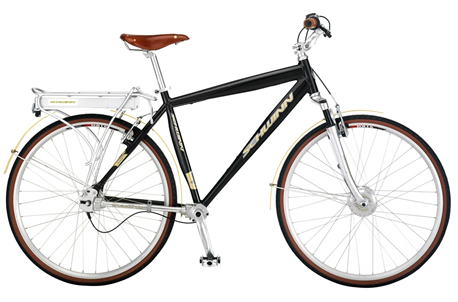
Reasons for development in Europe (Netherlands 2010: 1,3 mio. sold)?
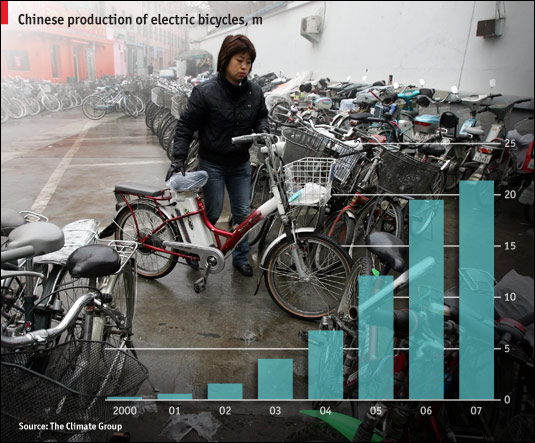
Reasons for development in China (120 mio.)?
|