|
Introduction: Leisure & Event Management II:
We spend 90% of our time on this planet for other things than gainful employment, but our education is concentrating on the other 10%.
Careers in
L&EM
Whats jobs/careers are available in L&E field?
Private sector / institutions / self-employed
Let's collect what jobs you know about!
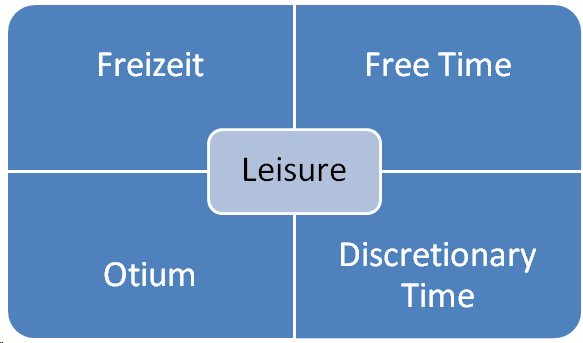
What is leisure?
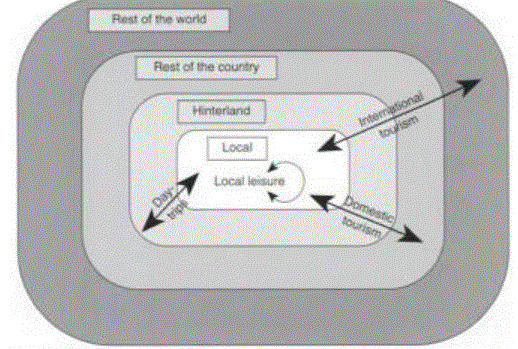
Geographical dimension
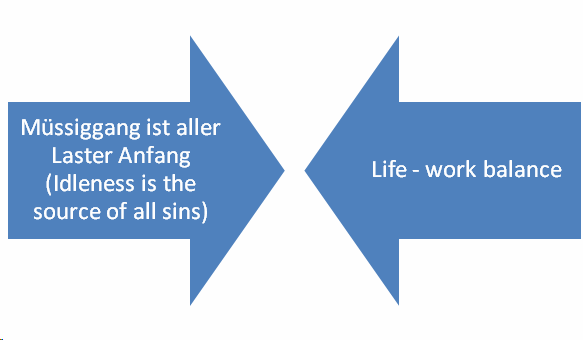
Protestant Work Ethos vs. Balance between work and non-work
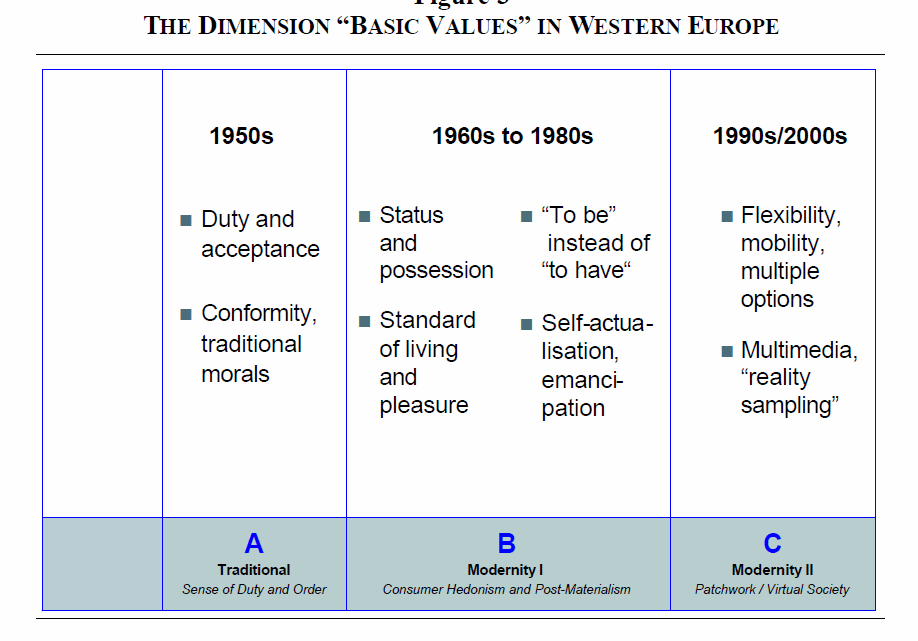
Trend: Blending and customization of work and free time in a knowledge-based, IT-connected economy
- across the 24 hour day
- across the week
- across holidays
- across the year
- across the life cycle
"The idea of leisure abounds with ambivalence:
on the one hand it suggests freedom but oh the other it is also a term that signifies restraint, moderation, permission, licence, constraint and social control."
The Rise and Fall of "Leisure" as a concept:
Otium vs. Negotium : Muße vs. Nicht-Muße
- "residual" time
- "free time" activities
- meaning and motivation
- Freizeit = Freiheit?
- Have people always had Leisure Time?
Separating "work" from "being" creates Leisure
Pre-modern rhythm (seasons, sound)
becomes
Modern pulse/time (clock, beat)
becomes
Postmodern synchronity (flow, inner clock)
Leisure is a modern concept, no idea of leisure existed in
pre-modern time - how about post-modern time?
Commodification of Leisure time -> buying leisure,
also: buying as leisure activity.
Development exampless:
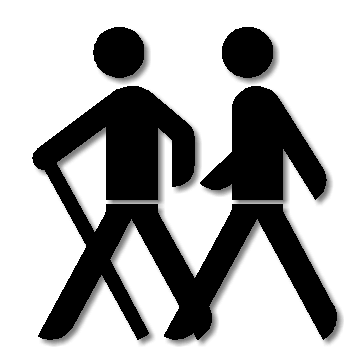
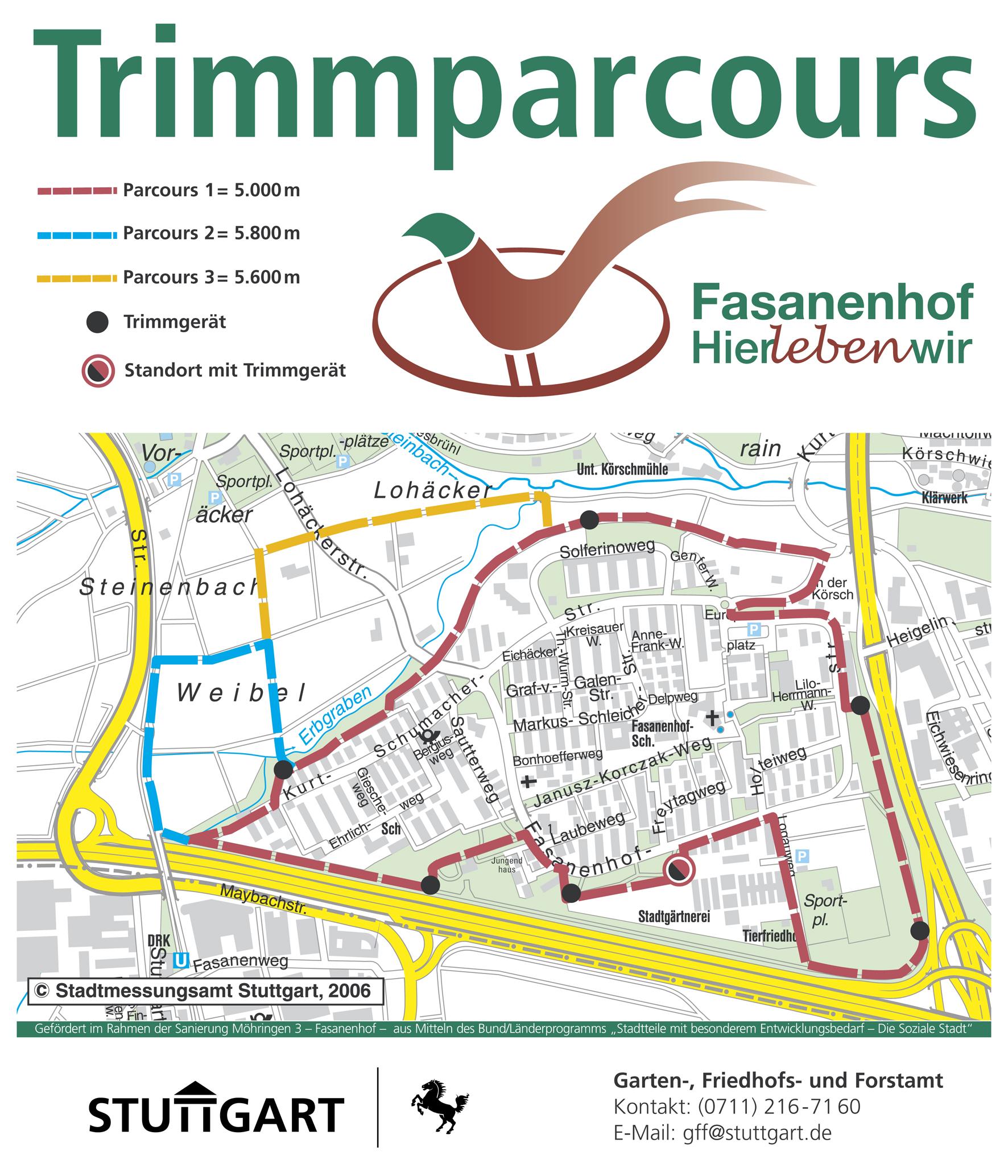
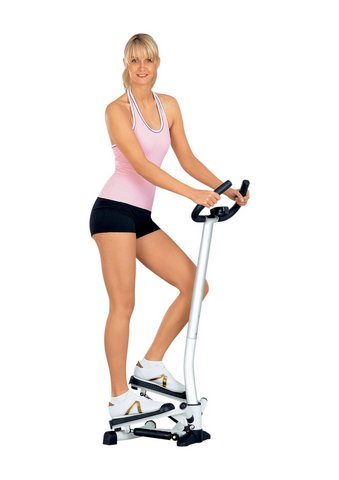
Wandern - Trimm-dich Pfad - Stepper
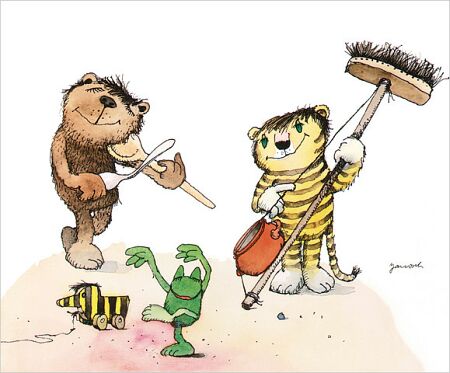
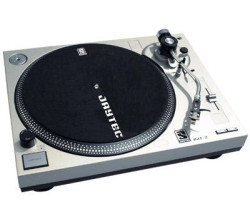
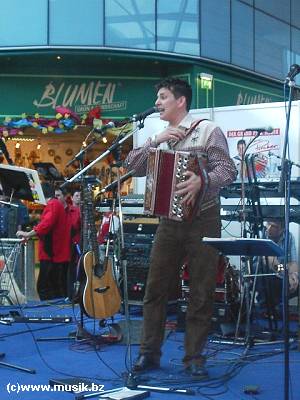
Hausmusik - Records - Music in the Mall
Bettina Franke und Kurt Hammerich (Tourismus Journal 5. Jg. (2001)), Heft 3
Sociology of Leisure is over
The equalization between leisure (non-working-time) and self-fulfilment on the one side and between work and social control on the other side cannot be maintained any more. This equalization was, and still is, crucial for the conceptualisation of sociology of leisure, at least in Germany. In view of the current social development, it is certainly not presumptuous to annouce the end of sociology of leisure.
Arguments:
 Leisure (Freizeit) defined as non-working time (negative definition), non-work non-leisure (sleeping, eating, household chores etc.) not clearly positioned. Leisure (Freizeit) defined as non-working time (negative definition), non-work non-leisure (sleeping, eating, household chores etc.) not clearly positioned.
Tendency to blur difference between structure time blocs work/non-work
Work - productive Leisure - unproductive. But: 15% of GDP Leisure/Tourism-based
"Leisure policies" important in 1960s/70s, no more today
Work/Leisure dichotomy result of industrialisation, in post-industrial structures to longer meaningful
"Freizeitgesellschaft" - Work stops to be the denominator of life.
"I am into diving" instead of "I am a clerk"
Leisure (Freizeit) not a part of daily life of non-working people (unemployed, children, pensioners) - majority of society
In Germany: 82 mio. inhabitants, 39 mio. gainfully employed persons
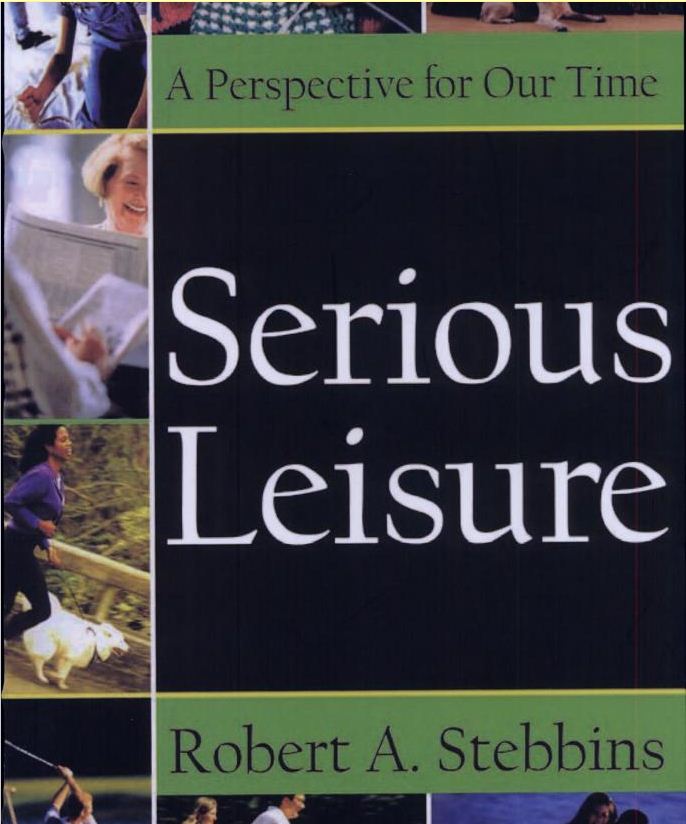
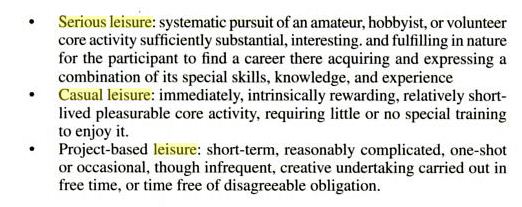
BUT: Serious Leisure
The Labour of Leisure
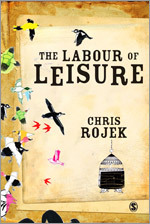 
Leisure has always been associated with freedom,
choice and flexibility. The week-end and vacations were celebrated as 'time
off'. Chris Rojek turns this “common knowledge” on
its head to demonstrate how leisure has become a form of labour.
Modern men and women are required to be competent,
relevant and credible, not only in the work place but with their mates,
children, parents and communities. The requisite empathy for others, socially
acceptable values and correct forms of self-presentation demand work. Much of
this work is concentrated in non-work activity, compromising traditional
connections between leisure and freedom. Rojek shows how leisure is inextricably linked
to emotional labour and intelligence. It is now a school for life.
What are you doing in your leisure time which is related to your (future) work?
Keeping fit? Social Engagement which will look good on your CV? Creating networks?
Other activities?
|