|
DEMAND MEETS
SUPPLY: DESTINATIONS
Destinations - Spatial and Space-ial
Tourism changes places
into destinations:
Nature --> recreational
area
Example: Piers - going into the ocean without getting wet
feet.
Brighton
Pier - arcades, weddings and corporate functions on the sea.htm
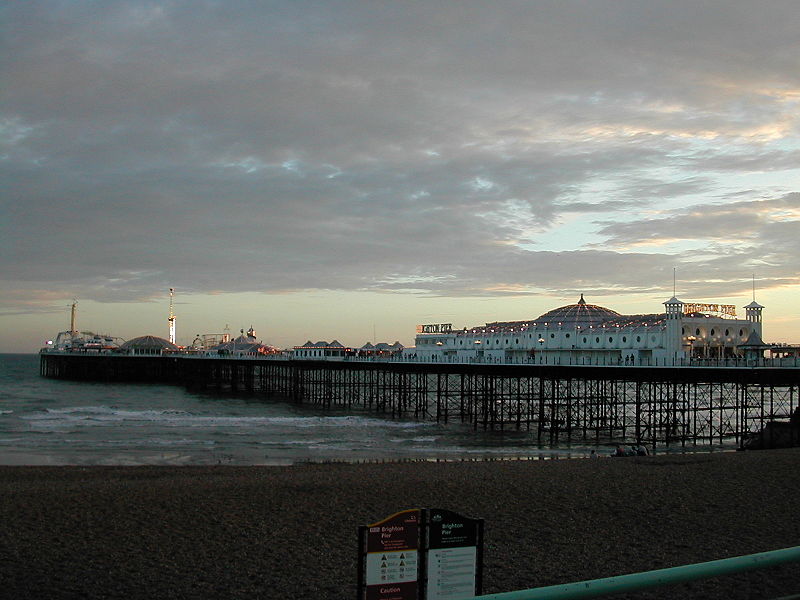
The sea and especially the border between
land and sea, the beach have become the typical destination for the age
of mass tourism, the second half of the 20th century, a symbol of
 Recreation Recreation
Body, sport, leisure
orientation
Freedom from social, textile, moral
borders
The ocean as a symbol of death
|
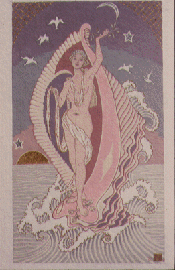
In European tradition the ocean is also the fountain
of life
- "Aphrodite foamborn" -
|
|
|
but mainly a force to be feared,
the ultimate
border.
|
|
In mythology and literature:
Gilgamesch Epos - the oldest western "traveller"
is realizing on the ocean than all man are mortal (http://www.lyrik.ch/lyrik/spuren1/gilgame/gilgam01.htm)
|
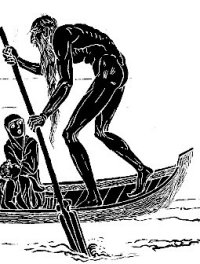
Travelling by boat brings egyptians, greeks,
romans into the hades, the area of death
|
|
|
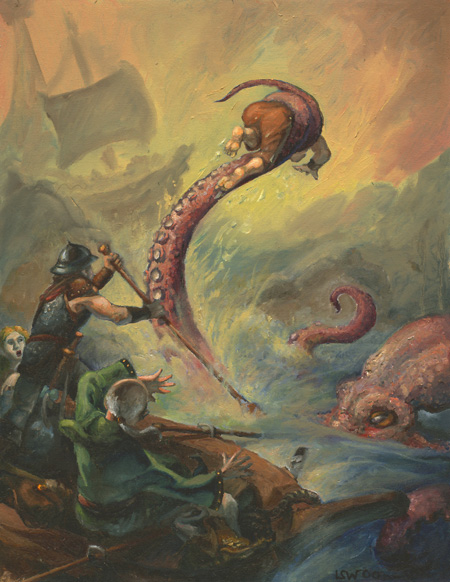
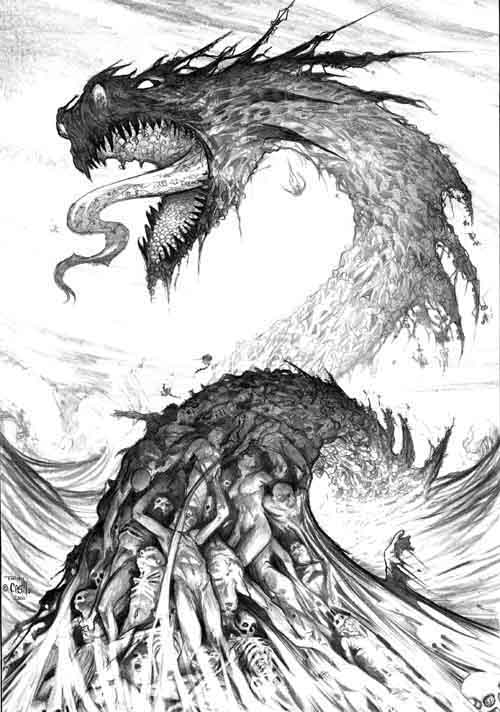
The sea is the non-created part of the world in
the bible, the Big Flood is ending all live but Noahs Arc, Leviathan, Neptun,
mermaids, whales, giant octopusses threaten peoples live.
|
|
In reality:
Before the 19th c. travelling on the ocean is
extremely dangerous, most people cannot swim, ships are often lost in bad
weather.
|
So the ocean has been
always seen as a threat, not a place to be on or look onto for
pleasure.
|
The beach as a part of nature and a
place for health
As the perception of nature changes from chaos and
threat to "natural", original, picturesque scenery, the beach becomes a
destination for the first time, boat trips (Gulf of Naples, gondola), fishermen
songs and the ocean as topic of art become popular at the end of 18th c.
At the same time water (and fresh air) starts to be
seen as positive for health, washing and bathing stop to been seen as bad for
the human body
Seaside resorts are started in Britain and later
also in Germany (1797 Doberan). The ocean becomes "blue" instead of "bloody red"
or "dark".
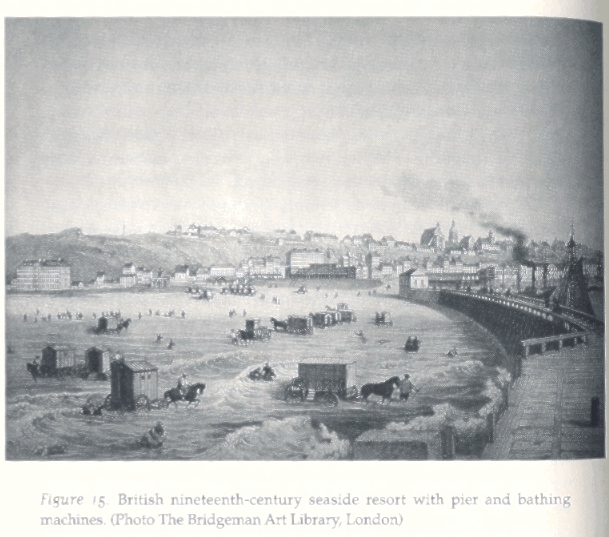
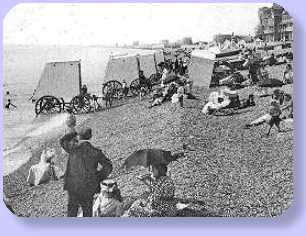
Australia 1920s
20th century: The beach as a main
tourism resource
Acquisition of places which before did not exist or
which before were remote:
 Traditionally most cities are not build directly at the seaside but on
the next hill etc. to be safer from storms, floods, marauders, the "unhealthy
air" etc. Traditionally most cities are not build directly at the seaside but on
the next hill etc. to be safer from storms, floods, marauders, the "unhealthy
air" etc.
The beach is used by fishermen or as a harbour or as a
toilet
Seaside resorts are build especially for guests, fishermens villages
change into tourists areas, the seaside promenade and the pier is
developed
Access is provided by railway (before 2nd World War) and by aircraft
after 1945, changing remote areas (f.i. mediterranean and caribic islands) into
tourism hot spots, helped by airstrips build during the war
|
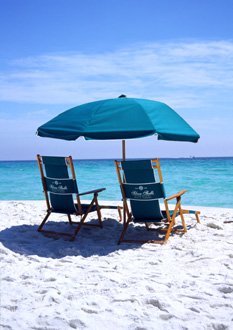
Beach holidays become standardised, the hinterland becomes less and
less relevant - the tourists are "turning their backs" on the land
|
|
Tourists take over beaches from local usages
|