|
SUPPLY SIDE:
Tourism Resources:
Nature - authentic and man-made
The Beach / The Ocean
The sea and especially the border between
land and sea, the beach have become the typical destination for the age
of mass tourism, the second half of the 20th century, a symbol of
 Recreation Recreation
Body, sport, leisure
orientation
Freedom from social, textile, moral
borders
The ocean as a symbol of death
|
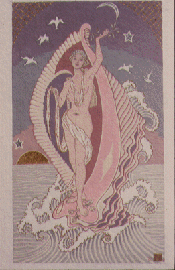
In European tradition the ocean is also the fountain
of life
- "Aphrodite foamborn" -
|
|
|
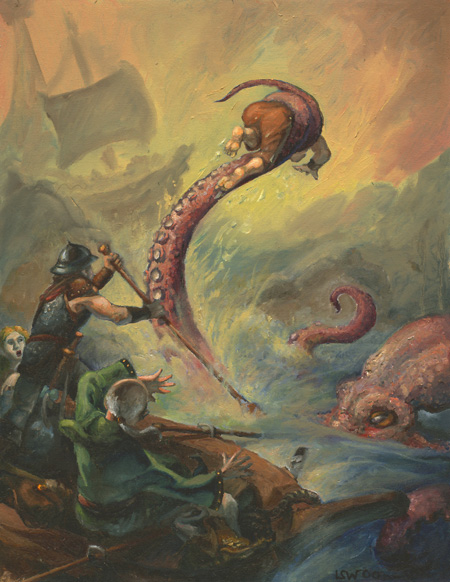
but mainly a force to be feared,
the ultimate
border. |
|
In mythology and literature:
Gilgamesch Epos - the oldest western "traveller"
is realizing on the ocean than all man are mortal (http://www.lyrik.ch/lyrik/spuren1/gilgame/gilgam01.htm)
|
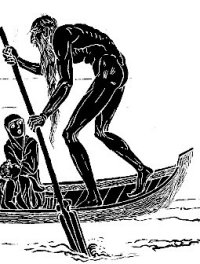
Travelling by boat brings egyptians, greeks,
romans into the hades, the area of death |
|
|
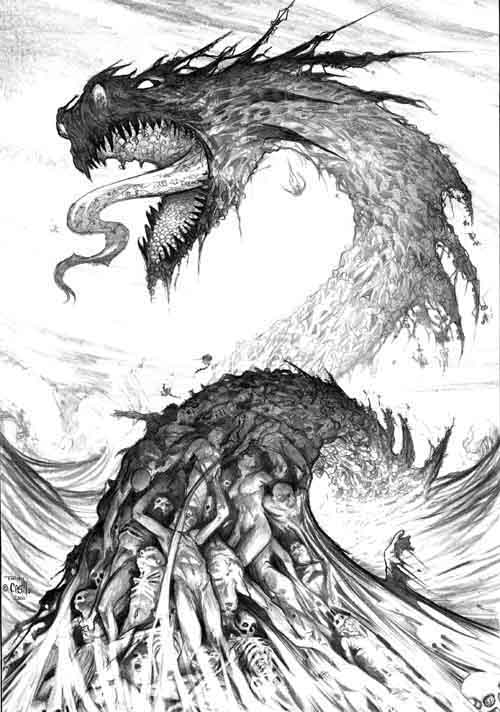
The sea is the non-created part of the world in
the bible, the Big Flood is ending all live but Noahs Arc, Leviathan, Neptun,
mermaids, whales, giant octopusses threaten peoples live. |
|
In reality:
Before the 19th c. travelling on the ocean is
extremely dangerous, most people cannot swim, ships are often lost in bad
weather.
|
So the ocean has been
always seen as a threat, not a place to be on or look onto for
pleasure. |
The beach as a part of nature and a
place for health
As the perception of nature changes from chaos and
threat to "natural", original, picturesque scenery, the beach becomes a
destination for the first time, boat trips (Gulf of Naples, gondola), fishermen
songs and the ocean as topic of art become popular at the end of 18th c.
At the same time water (and fresh air) starts to be
seen as positive for health, washing and bathing stop to been seen as bad for
the human body
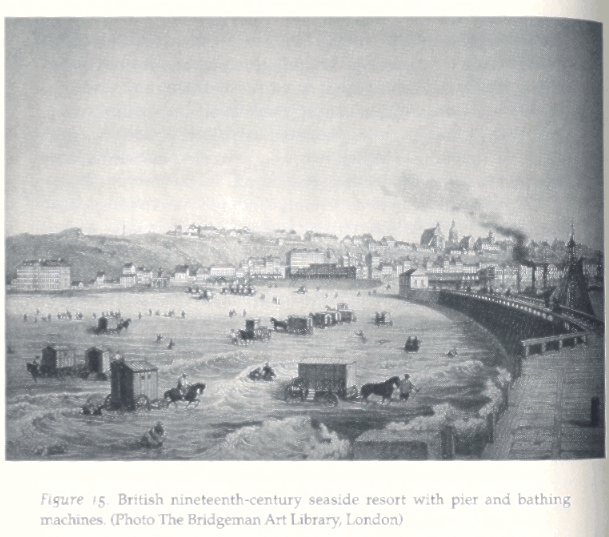
Seaside resorts are started in Britain and later
also in Germany (1797 Doberan). The ocean becomes "blue" instead of "bloody red"
or "dark".
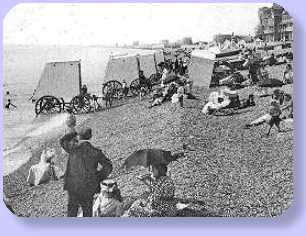
Australia 1920s
20th century: The beach as a main
tourism resource
Acquisition of places which before did not exist or
which before were remote:
 Traditionally most cities are not build directly at the seaside but on
the next hill etc. to be safer from storms, floods, marauders, the "unhealthy
air" etc. Traditionally most cities are not build directly at the seaside but on
the next hill etc. to be safer from storms, floods, marauders, the "unhealthy
air" etc.
The beach is used by fishermen or as a harbour or as a
toilet
Seaside resorts are build especially for guests, fishermens villages
change into tourists areas, the seaside promenade and the pier is
developed
Access is provided by railway (before 2nd World War) and by aircraft
after 1945, changing remote areas (f.i. mediterranean and caribic islands) into
tourism hot spots, helped by airstrips build during the war
|
Beach holidays become standardised, the hinterland becomes less and
less relevant - the tourists are "turning their backs" on the land
|
|
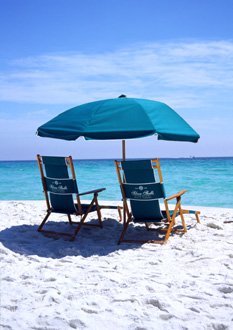
Tourists take over beaches from local usages
21st
century: The beach moves indoors
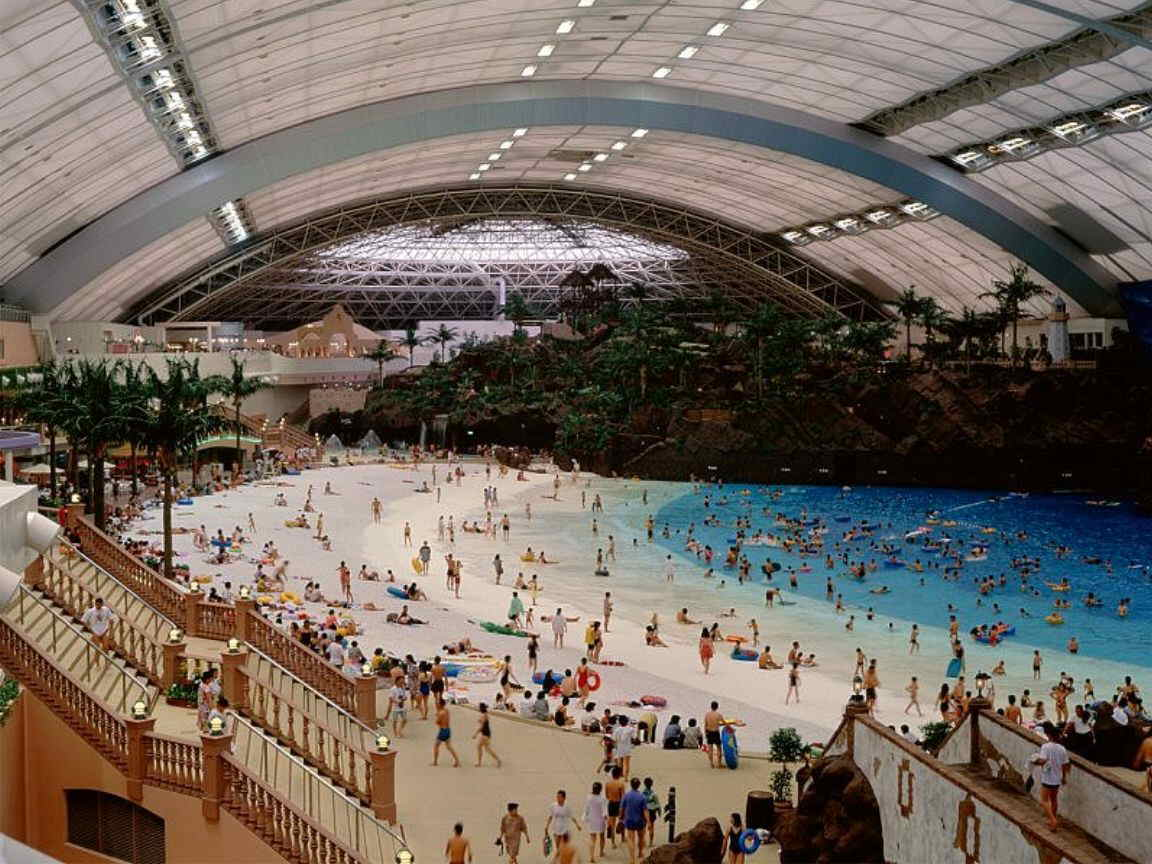
Ocean Dome Miyazake (Kyushu/Japan)
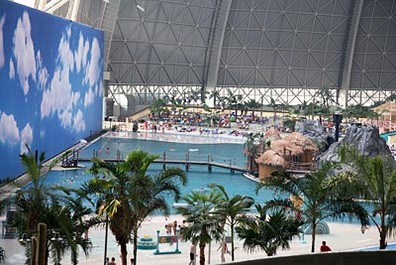 Tropical Islands, Brandenburg
Inventing totally man-made places
for leisure and tourism
Man-made Leisure and Tourism places
A categorisation of "Erlebniswelten":
1. Leisure and Tourism Parks
1.1. Theme parks (Film/TV,
Maritime, Safari, Brands)
1.2. Holiday worlds (holiday parks, holiday clubs,
event hospitality)
2. Shopping Centers, Malls
3. Urban Entertainment Centers
4. Indoor Sport and Water Worlds
5. Complex Leisure Worlds (Multiplex Cinemas, Expos, Zoos,
Sporting Arenas)
6. Mega-Events, Musicals
7. Brand-Worlds
(based on: Kagelmann 1998, in: Rieder, Bachleitner, Kagelmann
(ed.) 1998)
Reasons for the development of man-made leisure
and tourism places
|
Why can we see the development of "Disney"-style
parks and
why are we today
witnessing the development of more and more theme parks, ErlebnisCenters,
Indoor Sports Arenas etc.?
|
Examples:
FUTUROSCOPE
(pdf)
Indoor Skiing
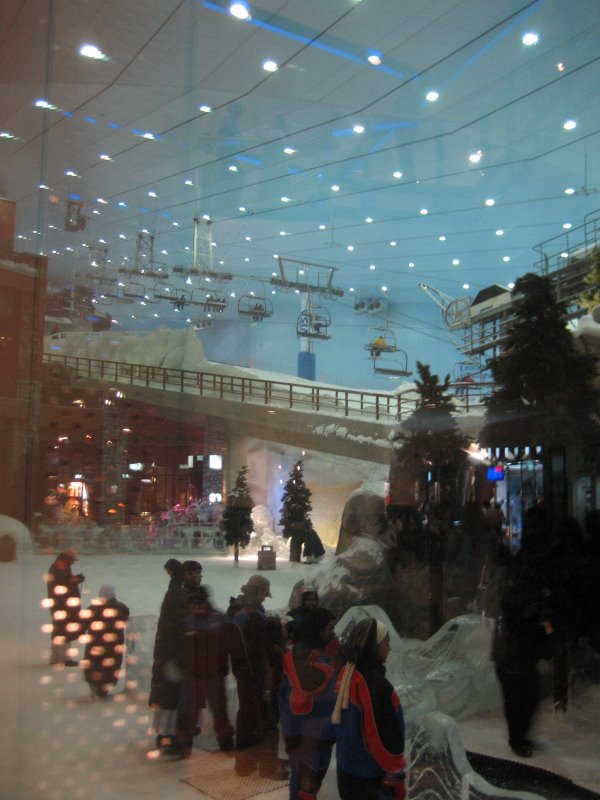
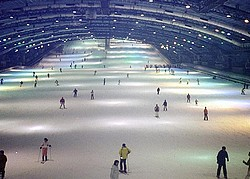
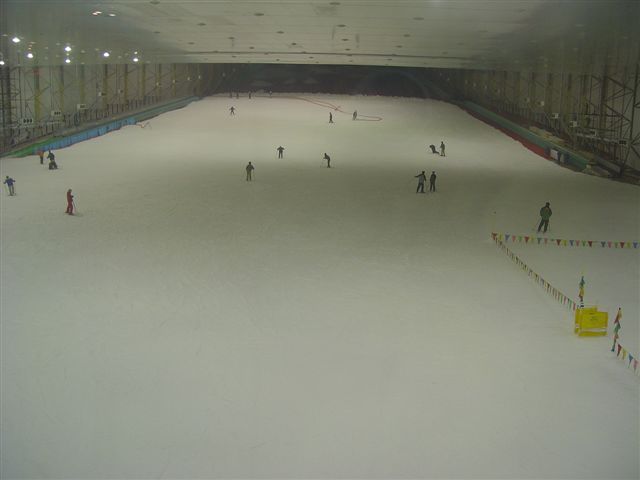
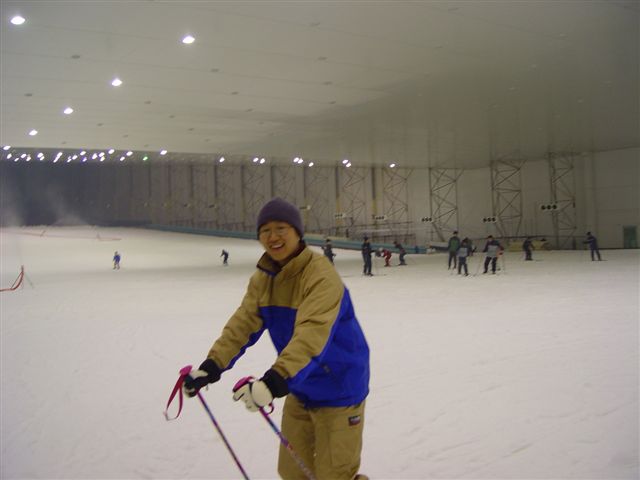
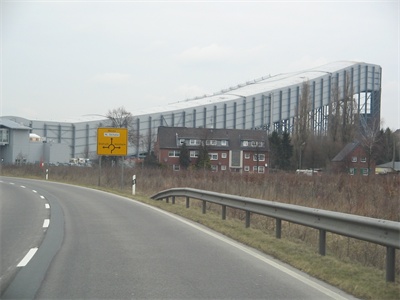
LEGOLAND LEGO® fan or not, you just can’t beat
LEGOLAND® Deutschland, a fantastic world created using over 50
million LEGO bricks. With countless attractions and spectacular shows, a special
adventure awaits everyone here!
In LEGO
X-TREME, for example, everything is higher, faster and even more
action-packed. The “X” in X-TREME stands for maXimum fun, maXimum speed and
maXimum thirst for knowledge. LEGO RACERS Drome Racing and the Project X – LEGO
Test Track are just the thing for fearless racing drivers. All those who are
fascinated by research and experimentation are in the right place in the IMAGINATION
area. In the Build & Test Centre, for example, you can build your own LEGO
skyscraper and test how earthquake-proof it is. Or discover ADVENTURE
LAND. It is hidden in the middle
of a jungle, surrounded by trees and undergrowth, wild animals and fantastic
creatures – all made of LEGO bricks, of course. Embark on an exciting Jungle
X-Pedition or discover the wildlife on the Safari Tour. You can also travel back
in time to ages past. A suspension bridge takes you inside the giant castle, the
trademark of KNIGHTS’
KINGDOM – our realm for all budding
knights and damsels. Here lurks a fire-breathing dragon, waiting to take
fearless knights on a wild ride. Pilots and helmsmen are in their element in LEGO
CITY. Aircraft and boats await your command here at the airport and
harbour. Anyone who has ever wanted to discover the world of pirates should make
a beeline for our PIRATE
LAND. You and
your whole family can plunge into a world of buccaneers and corsairs as
seafarers in Captain Nick’s Splash Battle.
|
What positive and negative points can you see in this
development from
- the point of view of the producers/owners?
- the point of view of the customers?
- the point of view of the society?
|
|
Positive |
Negative |
|
PRODUCERS/OWNERS VIEW |
|
- Control of Product Quality,
- Customization, Standardisation,
-
Bringing Product to Customers,
- Vertical and Horizontal
Integration |
- High level of Investment,
- Long-term commitment,
- Potentially
strong competition |
|
Positive |
Negative |
|
CUSTOMERS VIEW |
|
- Predictable Product Quality,
- Good Accessibility,
- Low Price,
-
High Level of Entertainment / Excitement |
- McDonaldization,
- Loss of Authenticity,
- Ersatz-Adventures instead
of real challenge |
|
Positive |
Negative |
|
SOCIETIES VIEW |
|
- Less Costs from dangerous activities (Health Insurance, Emergency Services
etc.)
- Less Traffic and Pollution
- Less Loss of Land for L+T |
- Less fully developed persons for workforce and future development
-
Stronger position of large global corporations
- Loss of tourism income for
less developed countries |
|